



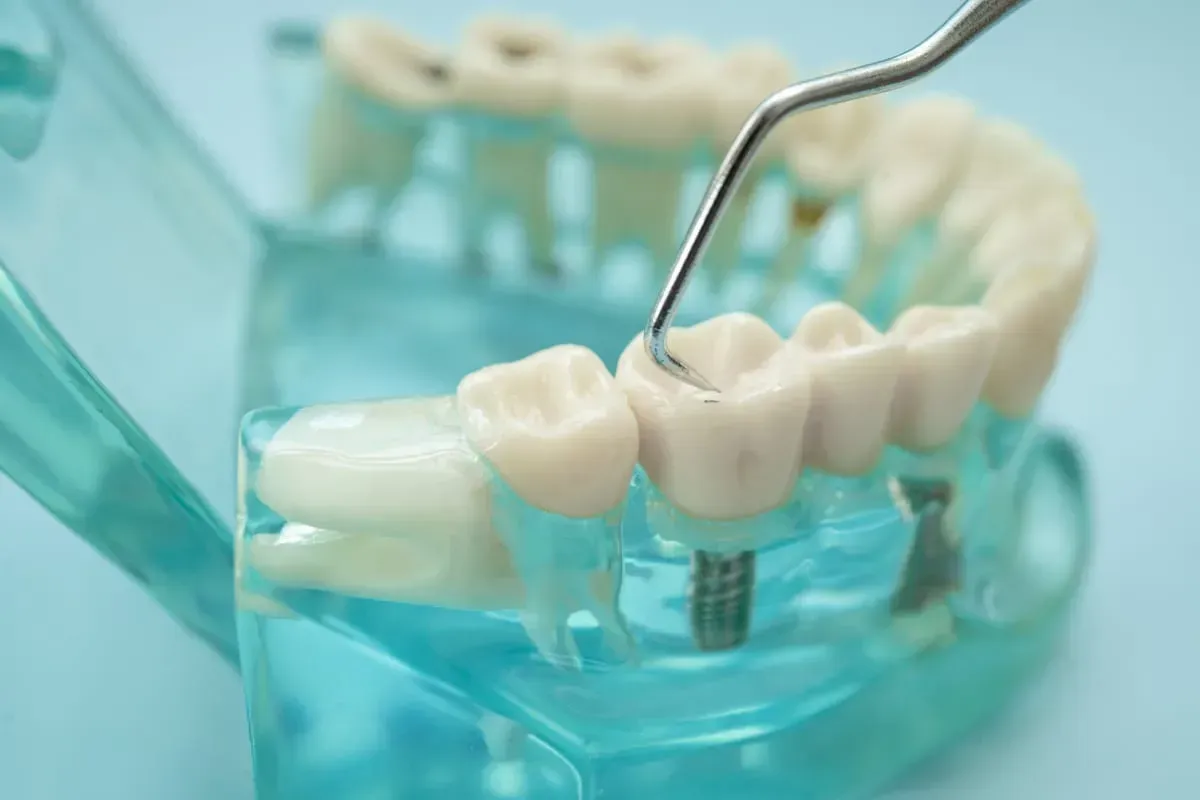
A cracked molar, a filling that's finally worn out, a tooth lost years ago and never replaced - these are the kinds of problems that don't fix themselves. They tend to sit quietly in the back of your mind until chewing becomes uncomfortable or a dull ache turns sharp. Restorative dentistry is the branch of dental care built specifically to address these situations, repairing damage and rebuilding what's missing so your mouth works the way it should.
At Newark Smiles Dental, we see patients every week who've been putting off a fix for a tooth that bothers them, often because they're unsure what the treatment actually involves or worried it will be complicated. The truth is that modern restorative treatments are more comfortable, more durable, and more natural-looking than most people expect. Whether you need a simple filling or a more involved rebuild, understanding your options makes the decision a lot less intimidating.
This article walks through the most common restorative procedures, how dentists decide which one fits your situation, and what you can expect from consultation through recovery. If you've been searching for a dentist near you in Newark to handle a damaged or missing tooth, this should give you a clear starting point.
What Restorative Dentistry Actually Covers
Restorative dentistry is a broad category that includes any treatment designed to repair a damaged tooth or replace one that's missing entirely. It's different from cosmetic dentistry, which focuses primarily on appearance. Restorative work is concerned first with function and health - stopping decay, rebuilding structure, and making sure you can bite, chew, and speak comfortably again. That said, modern materials mean most restorative treatments also look natural, so you rarely have to choose between health and appearance.
The category includes everything from a straightforward filling for a small cavity to a full-mouth reconstruction involving multiple implants and crowns. What connects all of these treatments is the underlying goal: taking a tooth or a section of your mouth that isn't working properly and returning it to a stable, healthy condition. Left untreated, small problems like a hairline crack or a shallow cavity tend to get worse, often spreading to the nerve or affecting neighboring teeth.
Because the term covers so much ground, the first step in any restorative visit is a thorough exam, usually including digital X-rays, to understand exactly what's happening beneath the surface. From there, your dentist can map out which of the treatments below actually applies to your situation.
Fillings and Crowns: Repairing Damaged Teeth
Fillings are the most common restorative treatment, and for good reason - most people develop at least one cavity in their lifetime. When decay is caught early, your dentist removes the affected portion of the tooth and fills the space with a durable material, most often tooth-colored composite resin. Composite fillings bond directly to the tooth, blend in with your natural enamel, and typically take a single visit to place.
Crowns come into play when a tooth has more extensive damage than a filling can address - think large cavities, cracks, or a tooth that's already had significant work done and needs additional support. A crown covers the entire visible portion of the tooth, essentially acting as a protective cap that restores its shape, strength, and bite surface. They're custom-made from impressions or digital scans of your mouth, so the fit and color match your natural teeth closely.
- Composite fillings repair small to moderate cavities in a single visit and blend seamlessly with your natural tooth color.
- Porcelain or ceramic crowns rebuild teeth with significant structural damage, restoring full chewing function.
- Inlays and onlays offer a middle-ground option for damage too large for a filling but not extensive enough for a full crown.
Replacing Missing Teeth: Implants, Bridges, and Dentures
Losing a tooth changes more than your smile. Neighboring teeth can shift over time, your bite can become uneven, and the jawbone in that area can begin to lose density without a tooth root to stimulate it. Replacing a missing tooth isn't just about aesthetics - it's about preventing a cascade of changes elsewhere in your mouth.
Dental implants have become the standard for single tooth replacement because they replace both the root and the crown. A titanium post is placed into the jawbone, where it fuses with the bone over several months, then a custom crown is attached on top. The result functions and feels remarkably close to a natural tooth, and with good care, implants can last for decades.
For patients missing multiple teeth, a fixed bridge or a partial denture may be a better fit, depending on the number and location of the gaps and the condition of the surrounding teeth. A bridge anchors a false tooth to the natural teeth on either side of the gap, while dentures - partial or full - offer a removable option that's often more budget-friendly and quicker to fit. We'll walk you through the trade-offs of each so you can choose based on your health, timeline, and comfort with each type of care.
When a Root Canal Becomes Necessary
A root canal has a reputation for being painful, but in reality the procedure itself relieves pain rather than causing it. It becomes necessary when decay or a deep crack allows bacteria to reach the pulp - the soft tissue inside your tooth containing nerves and blood vessels. Once that tissue is infected, it won't heal on its own, and the pressure from swelling is often what causes the intense, throbbing ache that sends people to the dentist in the first place.
During treatment, your dentist removes the infected pulp, cleans and disinfects the inner canals of the tooth, then seals the space to prevent reinfection. Afterward, the tooth is usually capped with a crown, since a tooth that's had a root canal can become more brittle over time without that added protection. Most patients describe the recovery as comparable to having a filling placed - some mild soreness for a day or two, manageable with over-the-counter pain relief.
The alternative to a root canal is usually extraction, which then requires a replacement tooth to prevent shifting and bone loss. In most cases, saving the natural tooth through a root canal is the more conservative, longer-lasting, and often more affordable path.
How We Decide Which Treatment Is Right for You
There's rarely a single "correct" answer when it comes to restorative care - the right treatment depends on the extent of the damage, your oral health history, your budget, and your own priorities for how quickly you want things resolved. A tooth that's a candidate for a filling today might need a crown in five years if decay progresses, which is one reason we recommend addressing issues as soon as they're identified rather than waiting.
During your consultation, we'll review your X-rays together, explain exactly what we're seeing, and walk through the realistic options - including what happens if you choose to do nothing for now. We believe patients make better decisions when they understand the trade-offs clearly, rather than being handed a single recommendation without context. Cost, appointment count, and long-term durability are all part of that conversation.
It's also worth mentioning that many restorative treatments are at least partially covered by dental insurance, particularly fillings, crowns, and root canals when they're deemed medically necessary. Our front-desk team can help you understand your coverage and estimate out-of-pocket costs before any work begins, so there are no surprises later.
Caring for Your Restoration Long-Term
A restoration - whether it's a filling, crown, implant, or bridge - is only as durable as the care you give it afterward. Good restorative dentistry gives your mouth a fresh start, but daily habits determine how long that fresh start actually lasts. The good news is that caring for restored teeth isn't fundamentally different from caring for natural ones.
Brushing twice a day, flossing daily, and keeping up with regular cleanings all matter just as much after a restoration as before it. Certain habits deserve extra attention, though, particularly around crowns and fillings, since chewing on ice, hard candy, or using your teeth to open packaging can chip or dislodge a restoration well before its expected lifespan.
- Keep up with six-month checkups so we can catch any wear on a restoration before it becomes a bigger problem.
- Avoid using teeth as tools for opening packages or tearing tags, which puts unnecessary stress on crowns and fillings.
- Wear a nightguard if you grind your teeth, since grinding is one of the leading causes of premature crown and filling failure.
Key Takeaways
- • Restorative dentistry repairs damaged teeth and replaces missing ones, prioritizing function alongside a natural appearance.
- • Fillings and crowns address decay and structural damage, with the right choice depending on how much of the tooth remains.
- • Implants, bridges, and dentures each replace missing teeth differently, suited to different budgets and clinical situations.
- • A root canal saves an infected tooth and relieves pain rather than causing it, usually followed by a protective crown.
- • Long-term success depends on consistent daily care and regular checkups, not just the initial procedure itself.
Frequently Asked Questions
How long does a typical restorative procedure take?
A simple filling usually takes 30 to 60 minutes in a single visit. Crowns generally require two visits - one to prepare the tooth and take impressions, and a second to place the finished crown, often two to three weeks apart. Implants take the longest, since the post needs several months to fuse with the jawbone before the final crown is attached.
Will restorative treatment hurt?
We use local anesthesia for procedures like fillings, crowns, and root canals, so you shouldn't feel pain during treatment. Some mild soreness or sensitivity afterward is normal and typically fades within a day or two, manageable with over-the-counter pain relievers if needed.
How do I know if I need a filling or a crown?
It depends on how much healthy tooth structure remains. If the decay or damage is small and contained, a filling is usually sufficient. If a significant portion of the tooth is compromised, a crown provides the structural support a filling can't offer. Your dentist will determine this based on X-rays and a physical exam.
Are dental implants a good option for everyone?
Implants work well for most healthy adults with adequate jawbone density, but factors like uncontrolled diabetes, certain medications, or significant bone loss can affect candidacy. During a consultation, we evaluate your bone structure and health history to confirm whether an implant is the right fit, or recommend an alternative like a bridge.
How long do restorations like crowns and fillings last?
Composite fillings typically last 7 to 10 years, while porcelain crowns can last 15 years or longer with proper care. Lifespan depends heavily on oral hygiene, diet, and habits like teeth grinding, which is why regular checkups matter even after treatment is complete.
Getting Started With Restorative Care
A damaged or missing tooth doesn't have to stay that way, and it rarely gets better with time alone. Whether you're dealing with a cavity that's been bothering you for months or a gap you've lived with for years, restorative dentistry offers a practical, well-established path back to a comfortable, fully functioning smile.
The best time to address a dental problem is before it grows into a bigger one. If you've been searching for a dentist near you in Newark and have a tooth that needs attention, an exam is the simplest way to understand exactly what's going on and what your options look like - no guesswork required.